High oil prices and the reduction of subsidies have led to a structural differentiation in the US auto market. Despite a decline in sales in Q3, General Motors still holds the top position, while Toyota is closing in with its hybrid models.
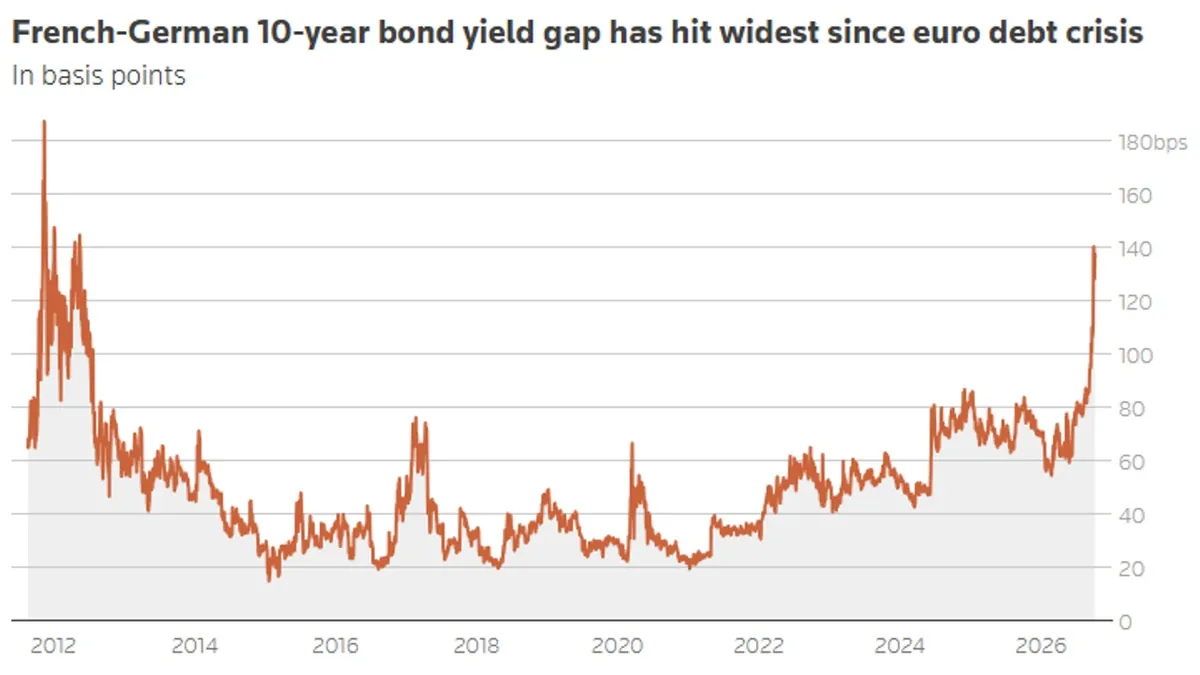
The global futures market is in a wild state of volatility. The French government bond futures have tumbled and diesel and crude oil futures have surged with the expectations of a Fed interest rate hike fluctuating.
In September, US consumer confidence fell to a four-month low, and inflation expectations rose to 4.6%. The combination of high oil prices, high interest rates, and cooling employment has led the Fed to adopt a more cautious policy.
Constellation Brands' Q2 earnings and sales both exceeded expectations, with the stock price at approximately $129.6. However, the profit margin guidance was lowered, causing the stock price to decline after the market close.
The global bond market has witnessed a new round of selling, with the yields on US, French, British and Japanese government bonds reaching new highs in decades.
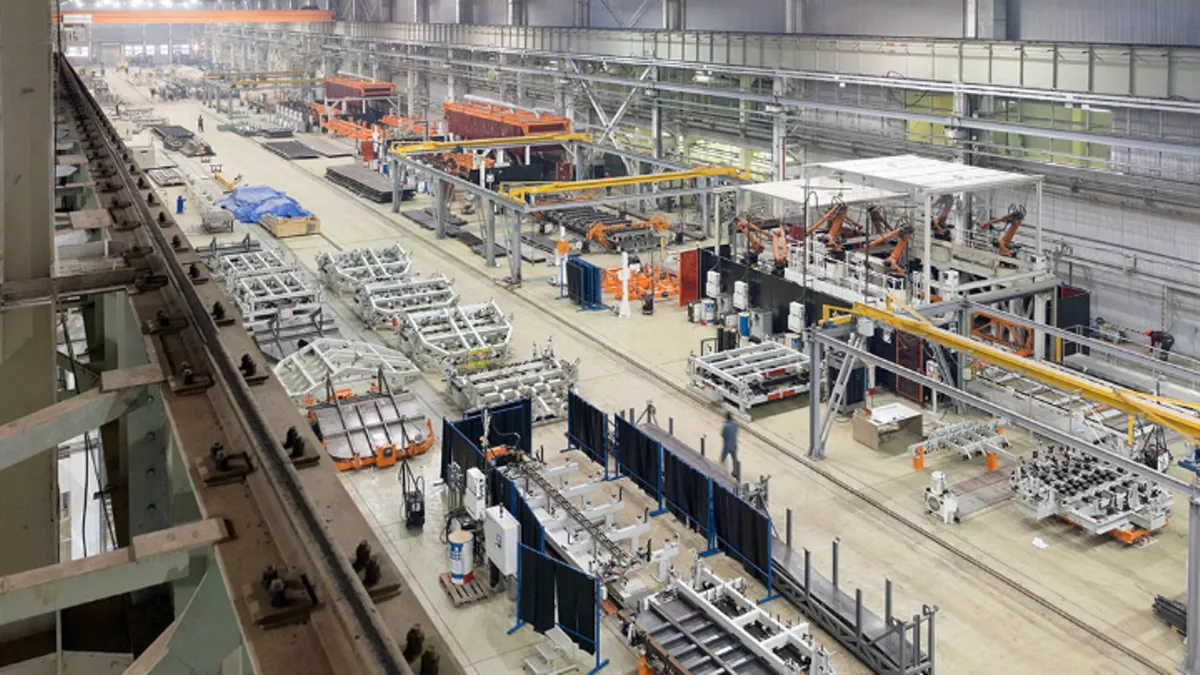
In September, the global manufacturing sector maintained its resilience amid the expansion of AI spending. However, energy costs and high interest rates continue to constrain profits and policy space.
The divergence between stocks and bonds in the third quarter triggered a large-scale institutional rebalancing. Pension funds are expected to sell $33 billion worth of stocks and buy bonds. In the fourth quarter, asset prices will face a revaluation.
BMW has announced its new strategy, aiming to increase the company's profit margin to 8% to 10% by the beginning of the next decade and to achieve a free cash flow of over 7 billion euros.
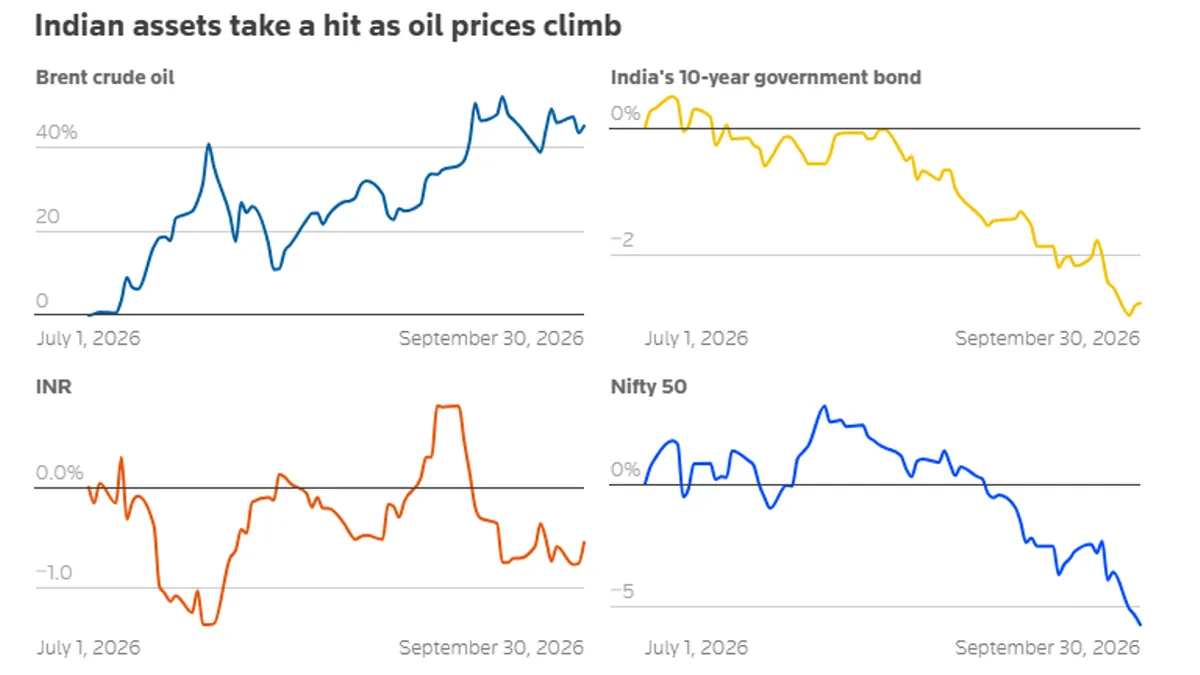
The Indian rupee has performed relatively weak among Asian currencies, being dragged down by high oil prices and rising global yields. The Indian central bank has stabilized the exchange rate through intervention and interest rate hikes, but the pressure remains.
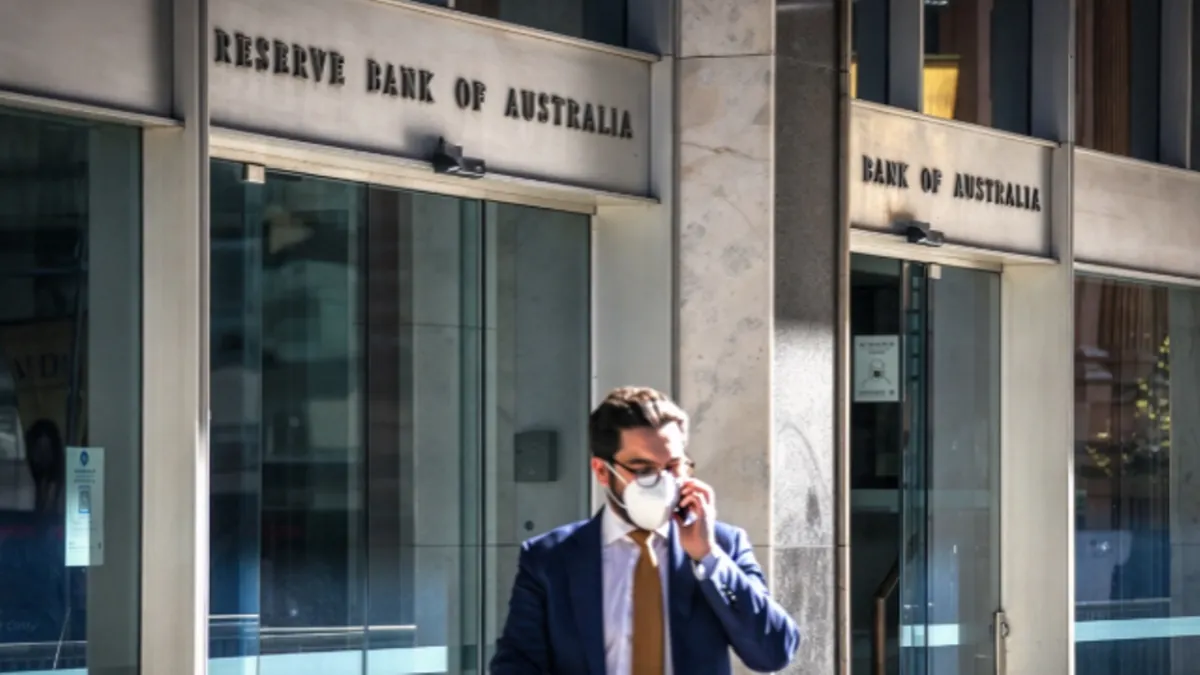
In August, Australia's CPI rose by 4% year-on-year, and the central bank raised interest rates to 4.6%. Rising energy costs have driven up inflation, while the real estate market has cooled down. The employment data in October has dampened expectations for an interest rate hike in November.
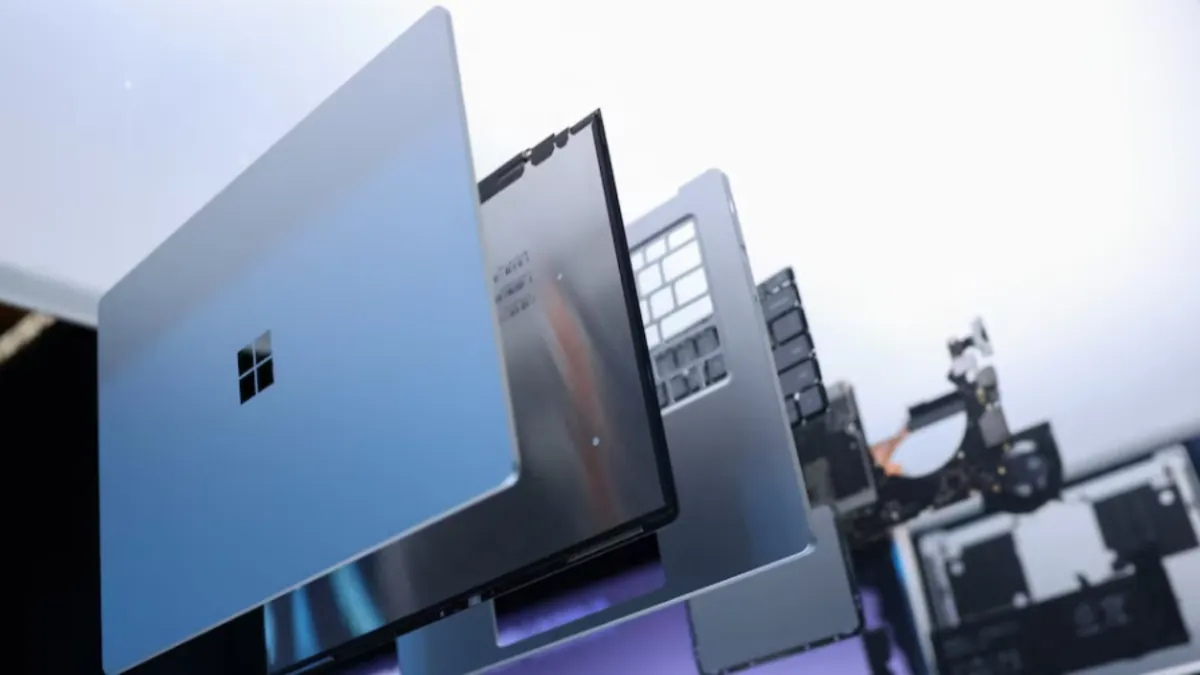
Microsoft introduces local AI and security isolation technologies, collaborating with Nvidia to launch a high-performance PC challenge against Apple, but the high hardware costs pose an obstacle to its widespread adoption.
Honda is developing a technology for wireless charging while the vehicle is in motion. In collaboration with construction companies, it intends to conduct tests on Japanese highways in 2027, aiming to reduce the time trucks need to stop for charging.
$30 trillion is being spent to build AI data centers. Even with this huge spending, the main worry is whether these investments can bring real gains in productivity.
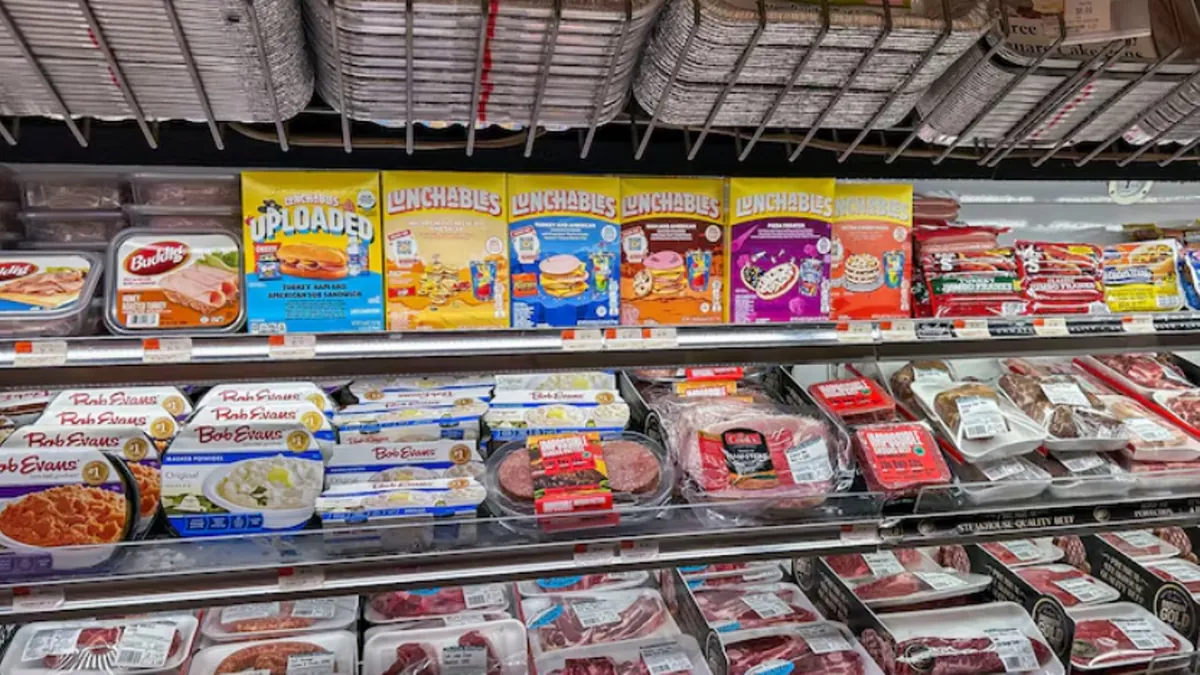
Kraft Heinz has increased its research and marketing to stay on the health food trend. The company has stepped up its innovation game and its stock has outpaced its peers.
Risk appetite has been buoyed by the easing of macro-economic pressures. Oil prices have fallen, bond yields are down and market sentiment has lifted. Tourism and healthcare sectors have done particularly well.
A cyber‑attack on ASOS led to customer data leaks and sent its stock plunging 10% in a single trading day. Data‑security risks have sparked widespread market concerns.
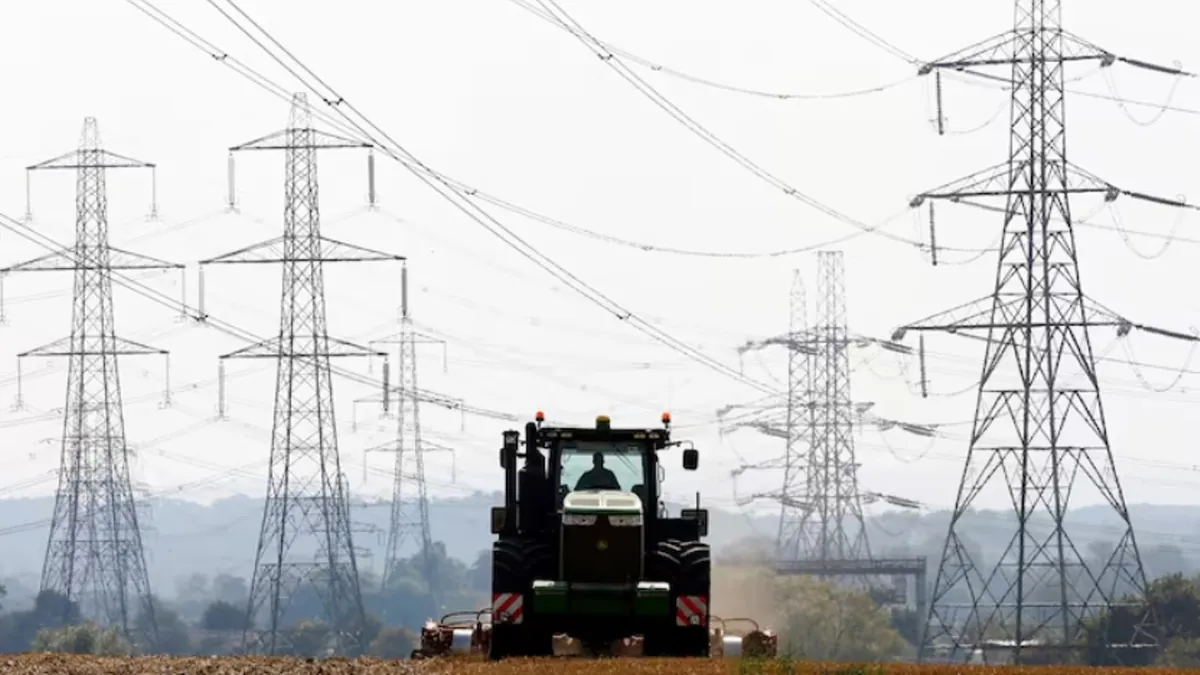
Britain's National Grid lifts profit guidance. The core business is stable and the overseas investments have been successfully implemented. The stock has a large defensive positioning value.
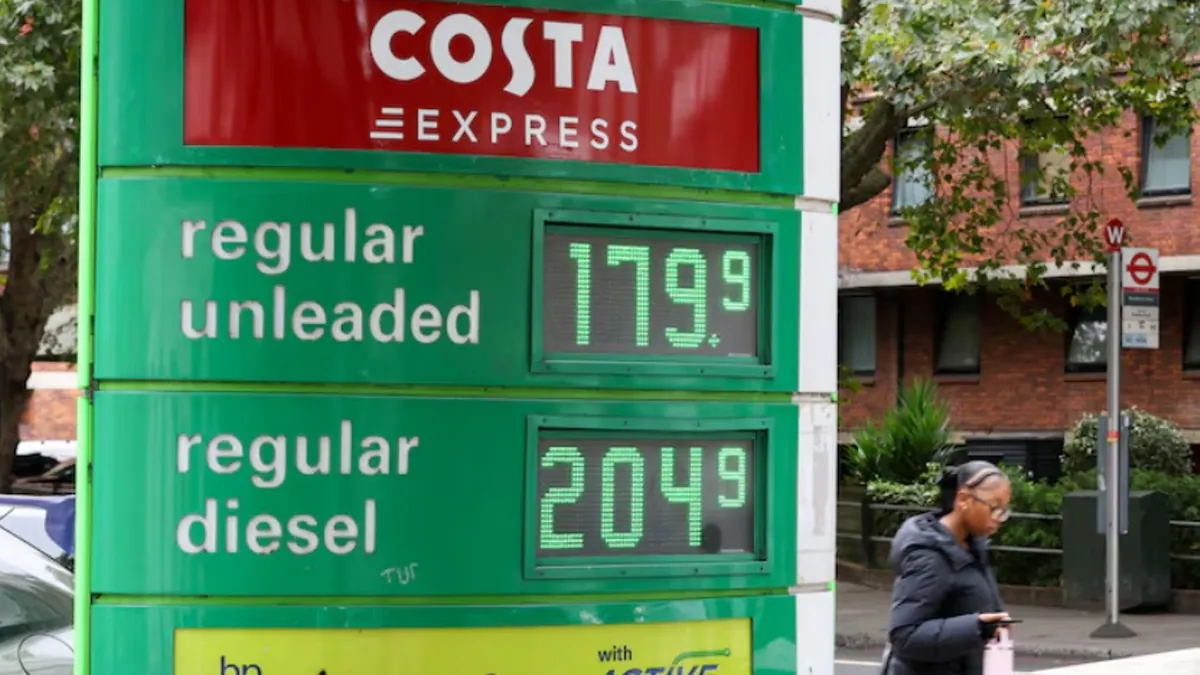
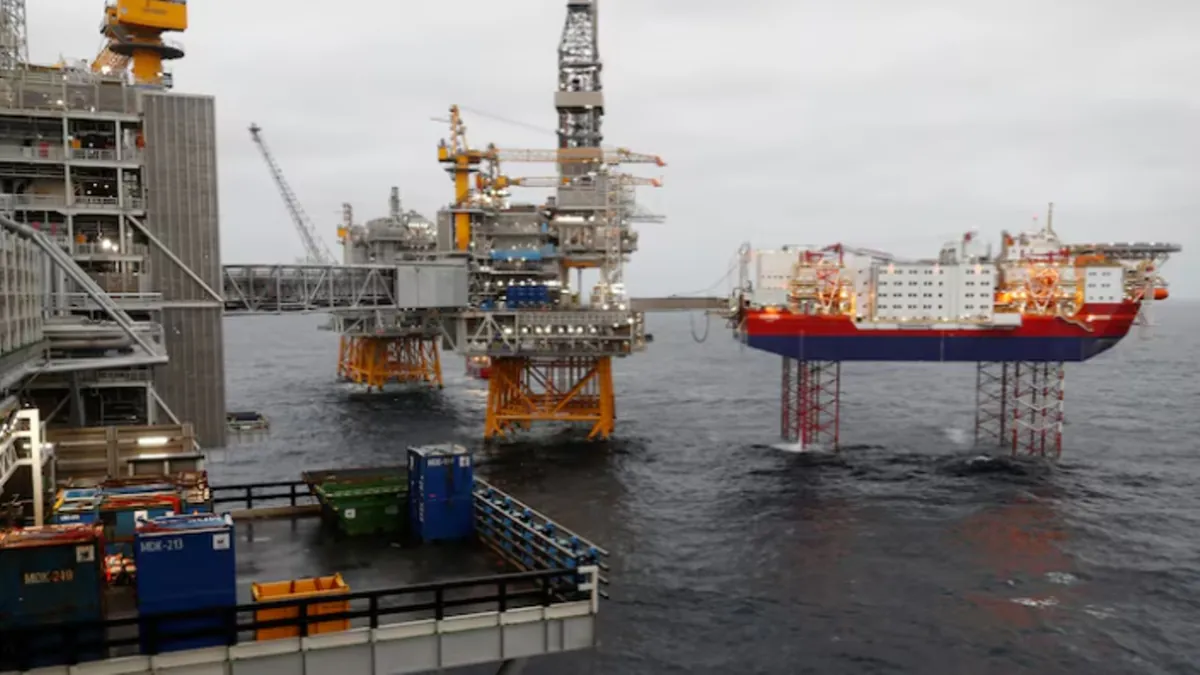
Europe has agreed to release its diesel reserves, and oil prices have dropped. Brent crude is at $102 and WTI is at $91. The supply of refined oil products has become the focus.
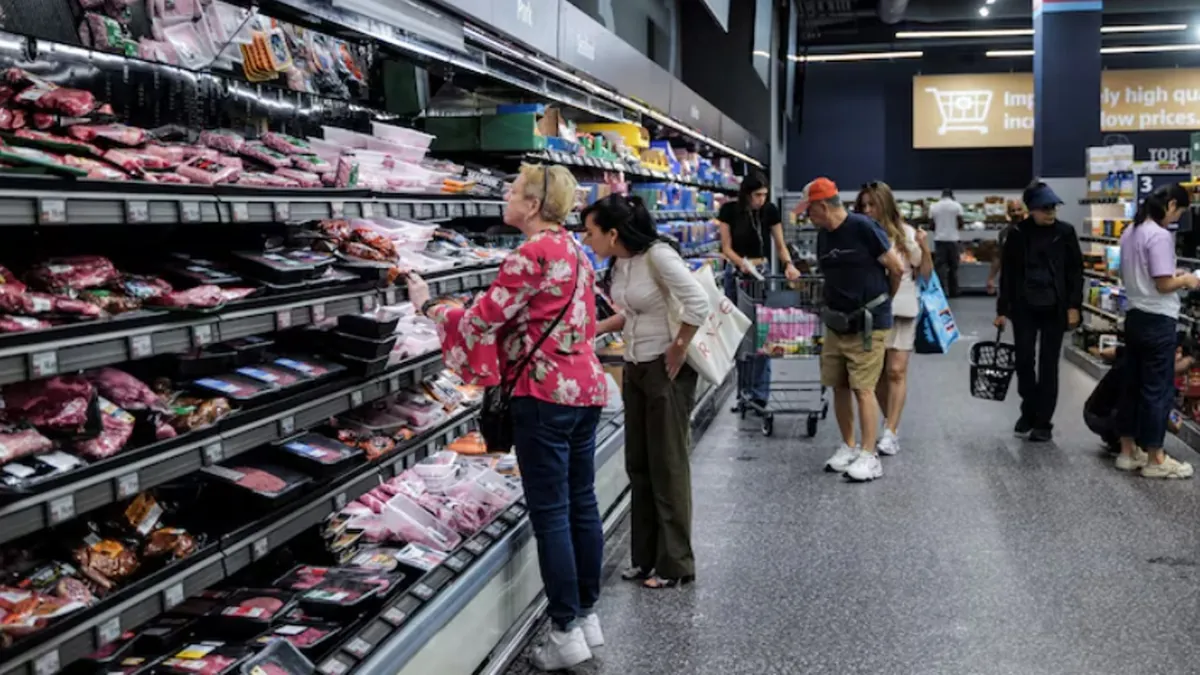
Global food prices have hit a four-year high due to logistics and climate factors. Sugar has reached a 18-month high and wheat has reached a three-year peak.
China cut its fuel exports in October to increase domestic fuel supplies. Asian diesel futures traded at a wider price spread on falling global oil stocks.
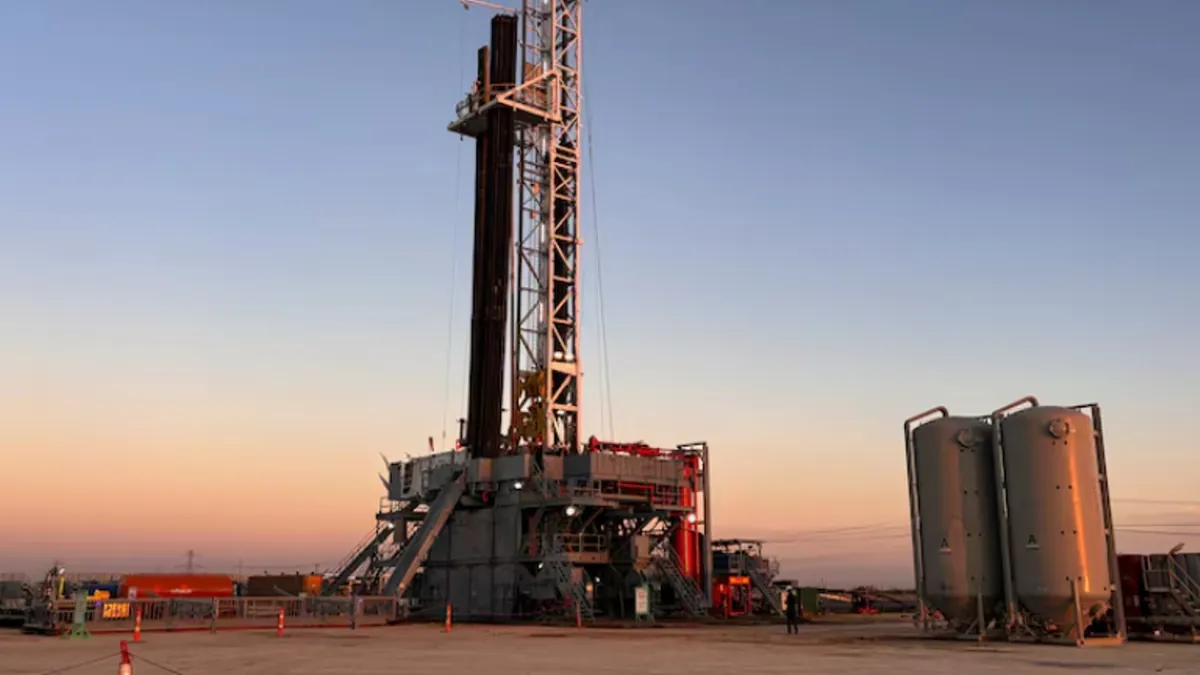
Oil prices soared again, up 4% Thursday, with Brent at $102 and WTI at $93. This continues the upward trend seen in September. A new driver has emerged in China's oil export stop.
We use cookies and similar technologies to keep this site working, measure performance and support advertising. By continuing to use this site, you agree to our use of cookies. See our Privacy Policy.