High oil prices and the reduction of subsidies have led to a structural differentiation in the US auto market. Despite a decline in sales in Q3, General Motors still holds the top position, while Toyota is closing in with its hybrid models.
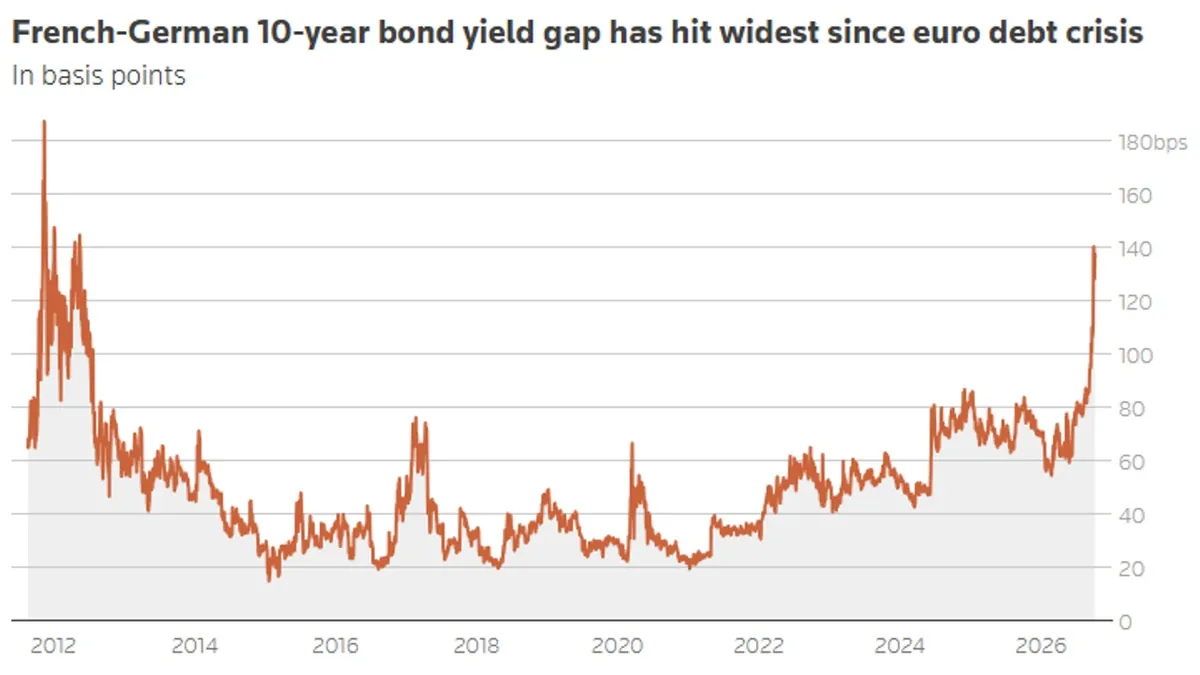
The global bond market has witnessed a new round of selling, with the yields on US, French, British and Japanese government bonds reaching new highs in decades.
In September, the global manufacturing sector maintained its resilience amid the expansion of AI spending. However, energy costs and high interest rates continue to constrain profits and policy space.
The divergence between stocks and bonds in the third quarter triggered a large-scale institutional rebalancing. Pension funds are expected to sell $33 billion worth of stocks and buy bonds. In the fourth quarter, asset prices will face a revaluation.
BMW has announced its new strategy, aiming to increase the company's profit margin to 8% to 10% by the beginning of the next decade and to achieve a free cash flow of over 7 billion euros.
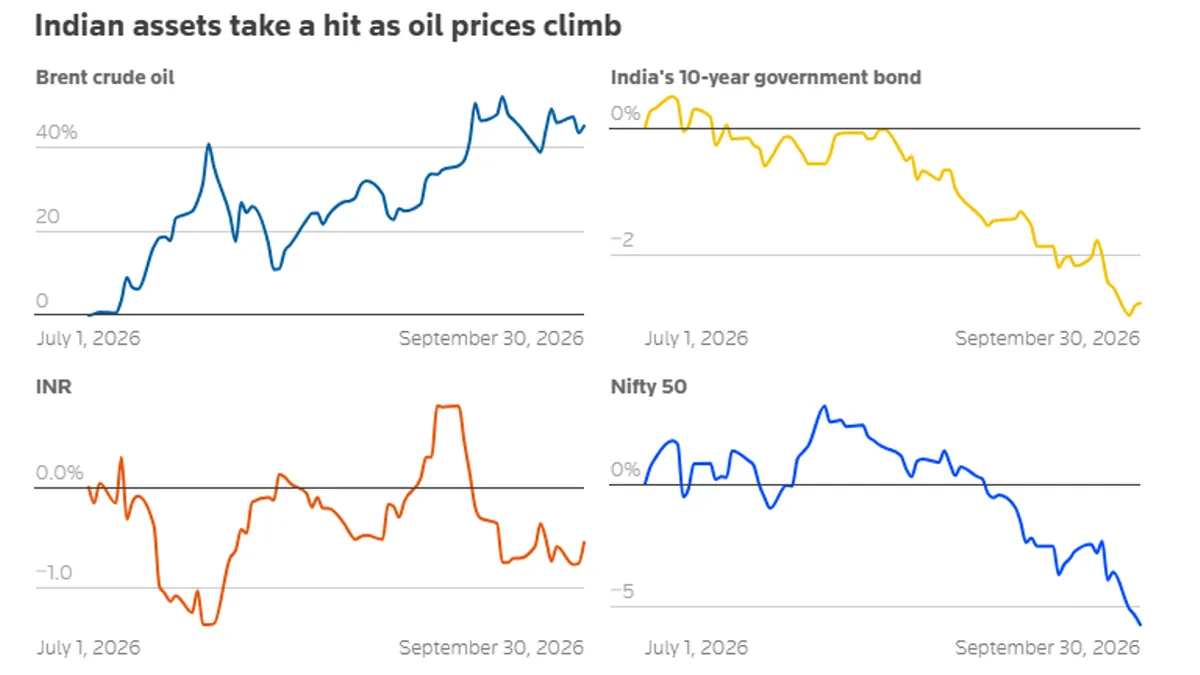
The Indian rupee has performed relatively weak among Asian currencies, being dragged down by high oil prices and rising global yields. The Indian central bank has stabilized the exchange rate through intervention and interest rate hikes, but the pressure remains.
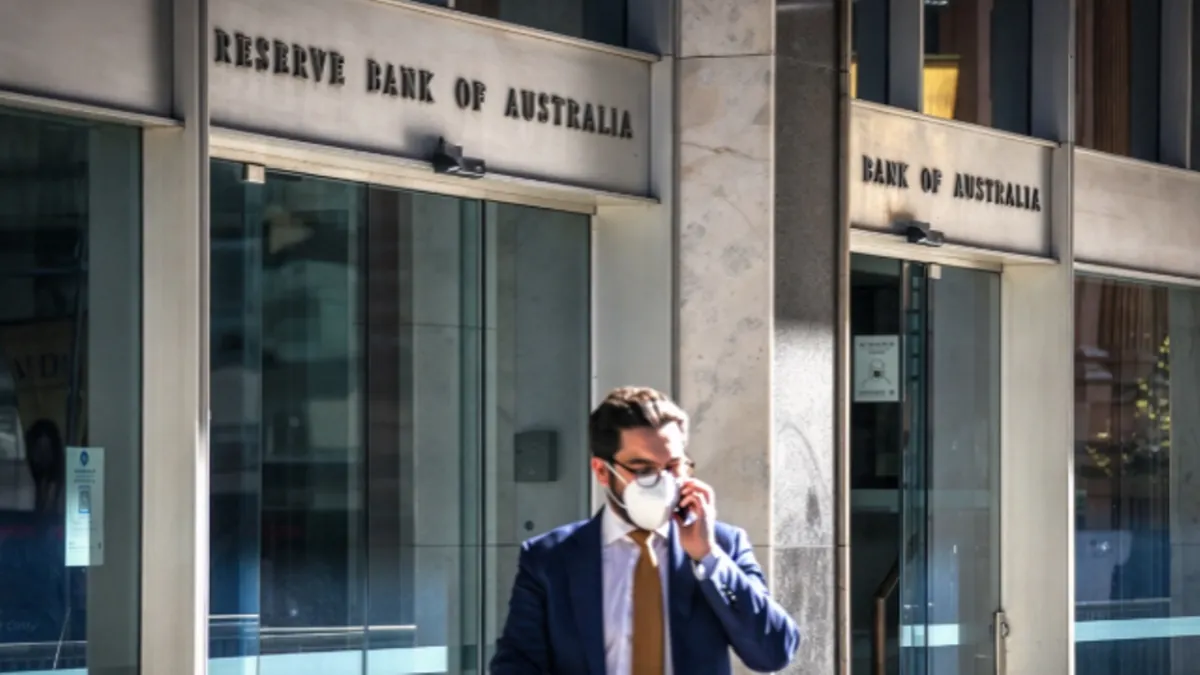
In August, Australia's CPI rose by 4% year-on-year, and the central bank raised interest rates to 4.6%. Rising energy costs have driven up inflation, while the real estate market has cooled down. The employment data in October has dampened expectations for an interest rate hike in November.
Australian private credit institution Metrics has halted trading of three listed funds. The audit has reduced the valuation by up to 12%, and industry regulation is becoming stricter.
The deputy governor of the Bank of Japan stated that the AI boom has driven up asset prices, but if profits fall short of expectations, coupled with energy shocks and the weakness of the yen, the pressure for the Bank of Japan to raise interest rates still exists.
In September, US consumer confidence fell to a four-month low, and inflation expectations rose to 4.6%. The combination of high oil prices, high interest rates, and cooling employment has led the Fed to adopt a more cautious policy.
We use cookies and similar technologies to keep this site working, measure performance and support advertising. By continuing to use this site, you agree to our use of cookies. See our Privacy Policy.