Behind the $30 trillion investment, when will the returns from AI materialize?
$30 trillion is being spent to build AI data centers. Even with this huge spending, the main worry is whether these investments can bring real gains in productivity.
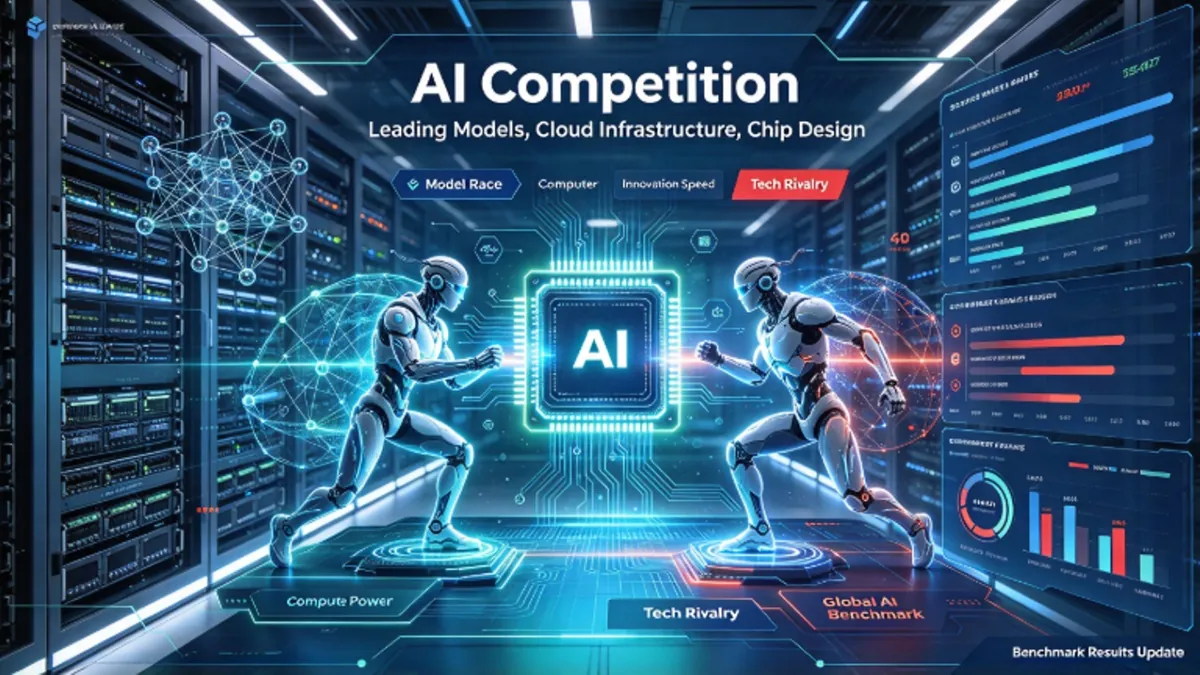
A technology race like no other that loses money.
This AI investment round is astronomical. PwC says data centers will cost the world more than $30 trillion by 2050, about the same as the total value of the US' national debt. This figure also blows away investment during the railroad and internet boom periods. Everyone's betting, betting on who can make the first truly universal AI.
AI companies are throwing money around like there's no tomorrow. The start-up company Anthropic plans to spend $518 billion in the coming years. This is hundreds of times their current annual revenue. Tech giants are desperately hoarding computing power. They believe that as long as there are enough machines, they can train the smartest AI. This extreme desire for computing power has driven up the investment enthusiasm in the entire industry.
The economic gap is terrifyingly large.
It's easier to spend money than to earn it. Economists are beginning to worry about the return on this huge investment. The giants like Google, Amazon and Microsoft, which build infrastructure globally, along with other companies participating in the AI competition, need to generate over $4.2 trillion in new revenue in the next five years to support the expansion of infrastructure. The reality is that AI can not make all industries make substantial profits now. Many applications are still at the stage of chatting and drawing. Enterprise customers are still waiting and observing.
What's more dangerous is that a lot of the money for building data centers is borrowed. If AI fails to bring substantial profits for a long time, the capital chains of technology giants will face the risk of breaking. They urgently need to find new scenarios that can truly make AI earn big money. For example, having AI control robots, or developing new materials. If they can not find these new marketable scenarios, this frenzied investment game may face a huge crisis. The patience of capital is also limited.
The "dream-making" moments of tech tycoons and the reality of the job market.
Tech tycoons remain full of enthusiasm. They firmly believe that AI will change the world. They think that AI models will learn and evolve on their own, and then create countless novel things like an explosion. This optimistic sentiment is very popular in the tech community and has also infected many investors. In the eyes of tech tycoons, the current investment is merely a preparation for the upcoming major explosion in the future.
While tech tycoons are envisioning the future, the workplace in reality has already changed. AI first hit the white-collar sector. Especially for young people just entering the workforce, they find it increasingly difficult to find jobs. Many companies no longer need so many junior staff to sort data or handle simple customer service. These jobs are being rapidly taken over by AI. The cost advantage has made many companies unhesitatingly cut down on junior positions.
In industries such as accounting and legal assistants that are prone to being replaced by AI, young people's job opportunities have significantly decreased. On the contrary, those manual positions that require physical labor, such as cleaners or construction workers, are not affected by AI. Young people must learn to compete with AI or master new skills that AI can not replace.
The technological legacy left after the bubble burst.
Every major technological boom is accompanied by a bubble. The railway craze a century ago and the Internet boom two decades ago both led to the bankruptcy of countless companies. After the bubble burst, the world did not regress. The laid-down railway tracks are still transporting goods, and the built network cables are still transmitting information. The infrastructure left by technology eventually became the true driving force for social progress.
Today's investment in AI is the same. Even if the investment heat cools down in the next few years or some companies go bankrupt because they can not make money, this technological gamble will not be meaningless. The huge computing power centers built and the intelligent models trained will not stop their pace of changing the world. AI has truly changed our way of life and work.