The rise in oil prices has encouraged Britons to buy electric vehicles
The increase in oil prices has driven new car sales in the UK to a seven-year high in September, with electric vehicle sales up by 36%.
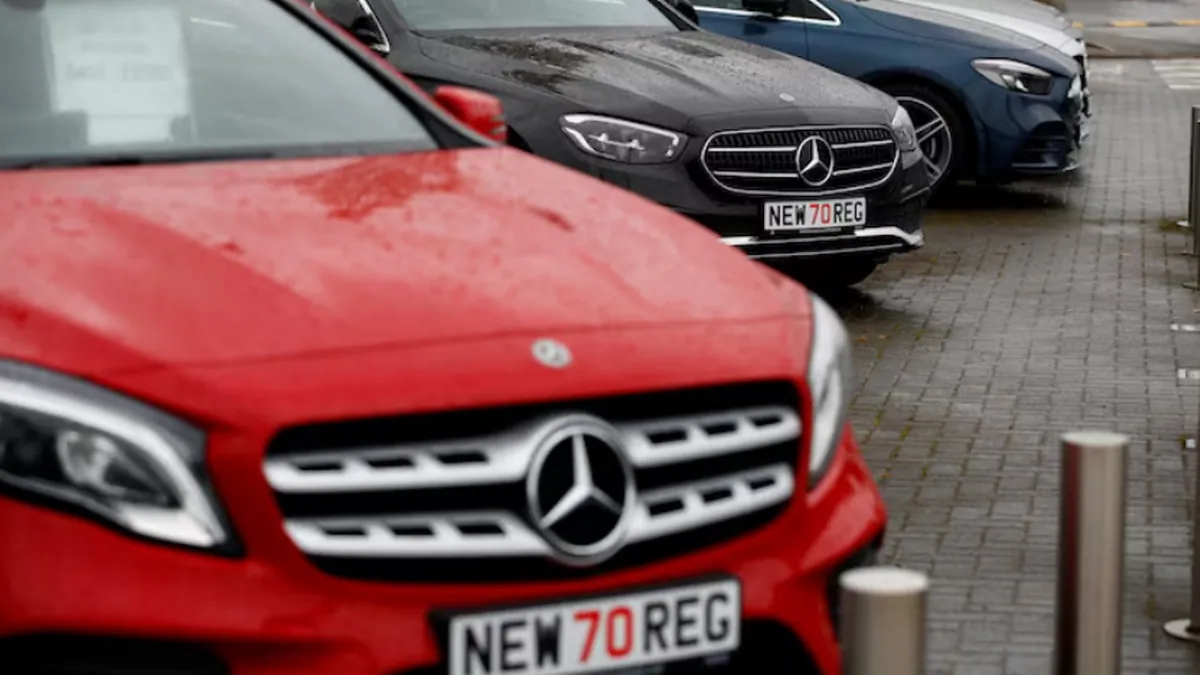
The auto market in September reached a seven-year high.
In September, new car registrations in the UK increased by 12% year-on-year, reaching the highest level since 2017 for a single month. The driving force behind this growth was electric vehicles. Geopolitical conflicts in the Middle East pushed up global oil prices, and consumers began to factor in the cost of fuel when purchasing cars. Now, Brent crude oil is $109 per barrel, and WTI crude oil is about $101 per barrel. As oil becomes increasingly expensive, electricity becomes more cost-effective, and thus electric vehicle models gradually gained the upper hand.
According to data from the British Automobile Manufacturers and Dealers Association, the registration of battery-powered pure electric vehicles in September increased by 36.3% year-on-year, reaching 99,200 units, accounting for 28.3% of the market share. At the same time, the registration of gasoline vehicles decreased by 6.7%. The strong recovery in car consumption has led to an increase in futures prices of basic industrial products such as copper, aluminum and automotive sheet metal. Electric vehicles have also attracted strong buying interest in the futures of battery core materials such as lithium carbonate and lithium hydroxide.
Shortage of diesel, shrinking share of traditional fuel vehicles.
In addition to the rising oil prices, the global automotive industry is facing pressure from the reduction in diesel supply. The US launched a war against Iran, and Russia imposed an export ban due to the destruction of several of its refineries by the Ukraine. The supply of diesel suddenly tightened. The US is also considering possibly banning diesel exports.
This news has added another layer of pressure on Europe. In September this year, the registration of diesel vehicles in the UK actually increased by 11.5%, but looking at the whole year, sales dropped by 7% in the first nine months. The prices of precious metals such as platinum and palladium required for fuel vehicle exhaust catalysts are under pressure.
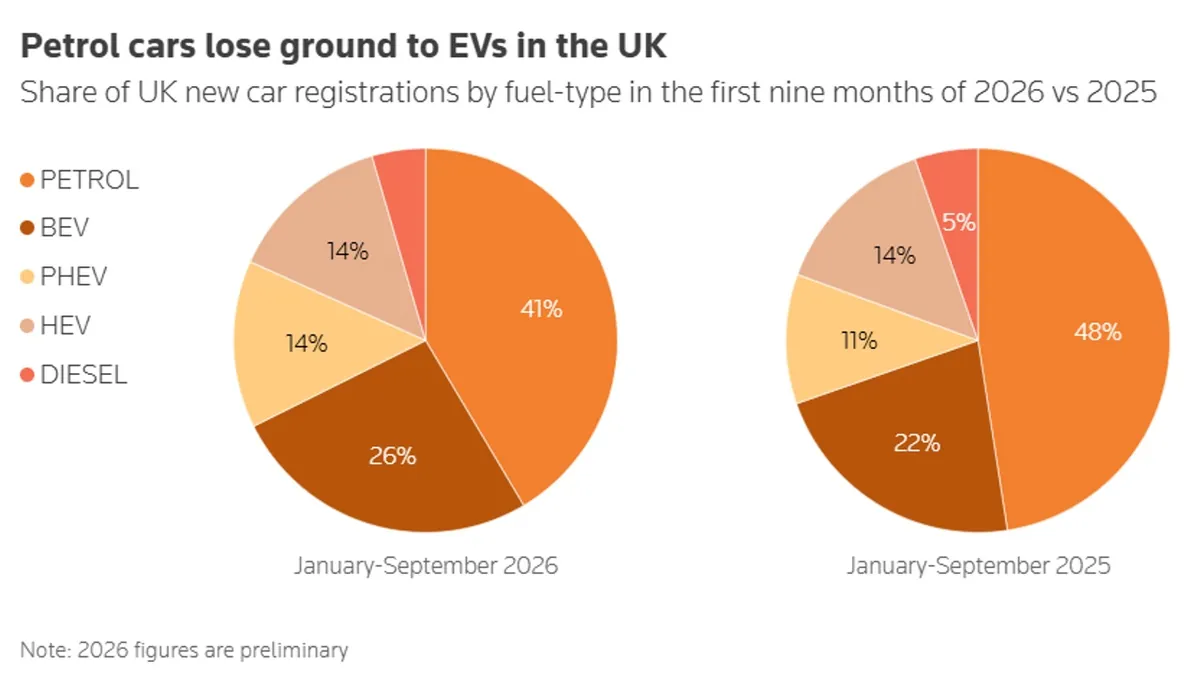
In the first nine months of this year, although gasoline vehicles still accounted for the largest share, reaching 41.5%, they were also declining. The registration of hybrid vehicles also dropped by 4.2%. The entire fuel sector is being gradually squeezed by electric vehicles. However, the share of electric vehicles is still far from the target. Pure electric vehicles accounted for only 26.2% of sales this year, below the 33% required in 2026. The sales of electric vehicles are increasing, but not quickly enough.
Chinese brands enter the market.
There is a new player on the British car scene and it is growing in popularity fast. Chinese car brands such as Chery and BYD have achieved remarkable sales in the European market. The Jaecoo 7 under Chery became the best-selling car in the UK in September. The BYD Sealion 7 is now one of the best-selling all-electric vehicles after the Tesla Model 3 and Model Y.
Tesla is still the leader of the electric vehicle space, but the speed with which Chinese automakers are closing in has already pressured the incumbents. For consumers, there are greater choices. Local brands and traditional big manufacturers have found competition increasing.
Britain adjusts its zero-emission target.
The UK is reviewing its rules for zero-emission cars. It plans to make things easier for carmakers. The original rules required these companies to sell a fixed number of electric vehicles each year. Now the pressure on manufacturers will be lower. This change gives car manufacturers more time to make the switch to electric vehicles.
At the same time, the EU is pushing new regulations. These new rules are designed to support car production inside EU countries. The policy may cut down the benefits that car factories in the UK can get. Worse still, cars made in the UK might be kept out of public purchase programs run by EU governments.
This puts British car brands in a difficult spot. The UK loosens its own electric vehicle sales rules to help local manufacturers, yet the EU's new standards could hurt their business across the border. Many investors watch these policy moves closely, because they will shape future sales and profits for UK automakers operating in the European market.