Norwegian pipeline prepares for European winter, and the price of natural gas has doubled
Norwegian pipeline ready for European winter, gas prices double to 73 euro, and storage low.
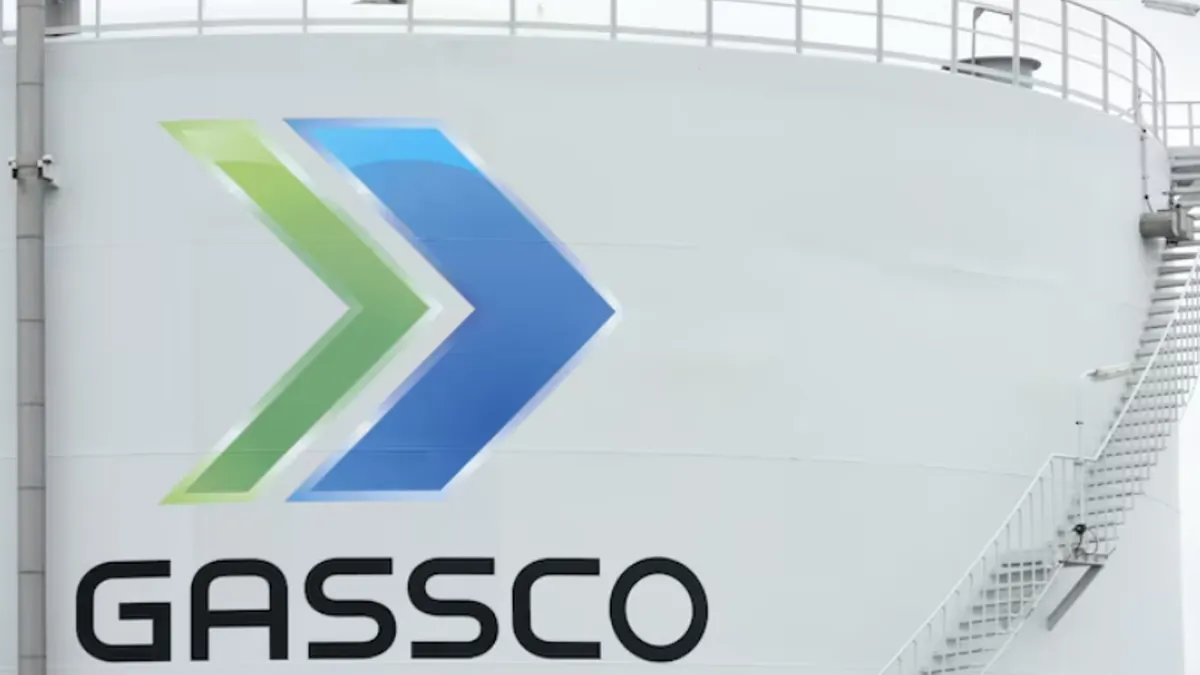
Winter is coming and with it peak demand for gas and Norway's production capacity is running at full tilt.
October 1st was a key day for the natural gas market. It was the start of a new year for the market and the beginning of the peak season for gas supplies to Europe. The next months will be the most demanding for gas consumption in Europe, because it is used for heating and electricity generation. This year's start was not easy. Now, the storage level in Europe is far below the average. The stored gas is not thick enough, and when the peak season arrives, the supply will have to rely on the current production.
The Norwegian pipeline operator announced that the export system has fully acquired the ability to meet the high demand in winter. Now, Norway is the largest natural gas supplier to Europe. Since the 2022 Russia-Ukraine conflict, Russia's pipeline natural gas has withdrawn, and Norway has stepped in. It has met 30% of the natural gas demand of the EU and the UK.
The significant maintenance in September earlier this year led to a short-term reduction in supply. During this period, the price of natural gas skyrocketed. Now, the maintenance work has been fully completed, and the supply volume has rapidly recovered. The source of Norwegian natural gas is mainly the oil fields operated by companies such as Equinor. The export relies on the pipeline network operated by Gassco. This network is 8,800 kilometers long and spans the entire Europe.
Geopolitical tensions have led to a shortage of LNG, pushing up the futures prices.
Although the supply of pipeline natural gas in Norway is sufficient, the shortage in the global liquefied natural gas market remains severe. The military actions by the United States and Israel against Iran have severely restricted the related energy exports. The futures price of natural gas in Europe has doubled by 2026, reaching about 73 euros per megawatt-hour.
Gas and crude oil often move in tandem. Currently, crude oil is also not cheap. Brent crude is about 109 dollars per barrel, and US WTI crude is about 101 dollars per barrel, both at high levels. The overall energy prices are rising, and natural gas naturally follows suit and goes up as well.
From the data, in 2025, Gassco transported 114.9 billion cubic meters of natural gas through the pipeline network. Up to now this year, 86.2 billion cubic meters have been delivered, 2.1 billion cubic meters more than the same period last year. Except for maintenance in September, the pipeline has been operating at full capacity, and the supply volume has not decreased. However, an increase in supply does not mean that the gap has been filled. The EU will face an energy price crisis this winter.
EU high-level officials have warned that speculative funds are in high spirits.
The EU energy commissioner has urged member states to continue efforts to increase gas storage levels, while also finding ways to reduce demand. This statement has further ignited the speculative enthusiasm in the futures market. The bullish sentiment among traders is high, and the willingness of funds to enter the market is extremely strong. Facing the soaring gas prices, European industrial enterprises have begun to increase their hedging efforts in the futures market. Many industrial users and utility companies have locked in the cost of future gas usage.
Weather factors disturbance.
The trend of winter natural gas futures is highly dependent on the accuracy of weather forecasts. Any minor adjustment in predictions regarding cold waves or warm winters can trigger significant fluctuations in natural gas prices. If extreme cold weather occurs in the coming weeks, the futures prices will rise rapidly. This high sensitivity to weather makes the risk of short-term trading sharply increase.