Kraft Heinz spends $700 million annually to catch up with the protein and dietary fiber trend
Kraft Heinz has increased its research and marketing to stay on the health food trend. The company has stepped up its innovation game and its stock has outpaced its peers.
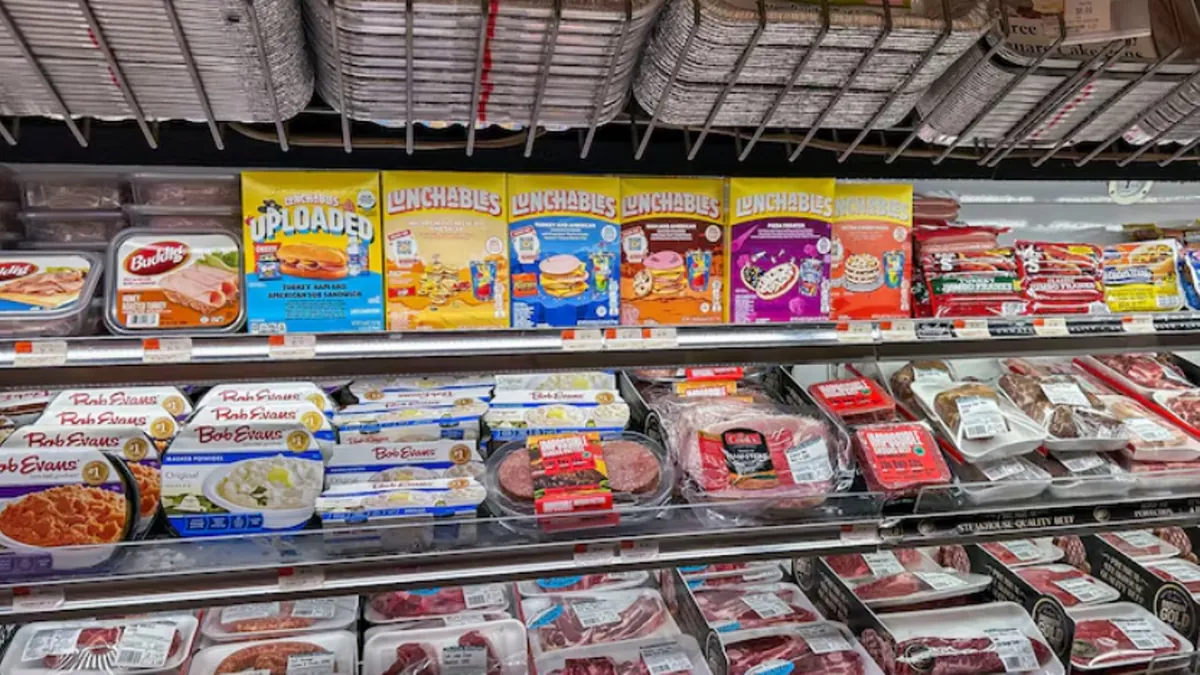
Kraft Heinz boosts R&D spending to match two big consumer trends.
Kraft Heinz's leadership team has shifted the company's overall business strategy. When the new CEO stepped into the role, he scrapped the earlier plan to split the business, a proposal that had sparked lots of debate in the market. Calling off this controversial plan helped calm investors and made their outlook for the company much more stable.
The food giant has raised its spending plans for this year. It will pour a total of $700 million directly into marketing work and research and development. For several of its most important brand lines, the combined spending on marketing and R&D has jumped by 35% this year. That higher budget means the company has more money to spend to create new products and market them to shoppers.
The way people shop for food has a big impact on the stocks of major food companies. Kraft Heinz has spotted a big health trend: people want more protein and dietary fiber in their food – and the company is responding. To keep up with this demand, the company has rolled out smaller portion sizes for its goods. It has also tried out brand-new products, such as cheese ramen, by launching trials in the Canadian market. It is easy to see where Kraft Heinz is placing its bets - it wants to build healthier food options with better nutrition.
Nowadays, many families check nutrition facts before buying packaged food. They no longer only care about how tasty a product is or how much it costs. To fit these new shopping habits, the company keeps refreshing its lineup of products. Fast updates to its product portfolio help Kraft Heinz create new ways to bring in sales.
The results from its research and development team show up in improved food recipes. The business has revised the formulas for thousands of its existing products. In these updated recipes, the company adds more nutrition, while cutting down sugar and fat levels. These upgraded products match consumers' growing desire for healthier meals and snacks. By investing more in R&D and marketing, Kraft Heinz hopes to hold onto old customers and attract new buyers as health-focused eating habits continue to spread across the market.
Stock performance compared with peers.
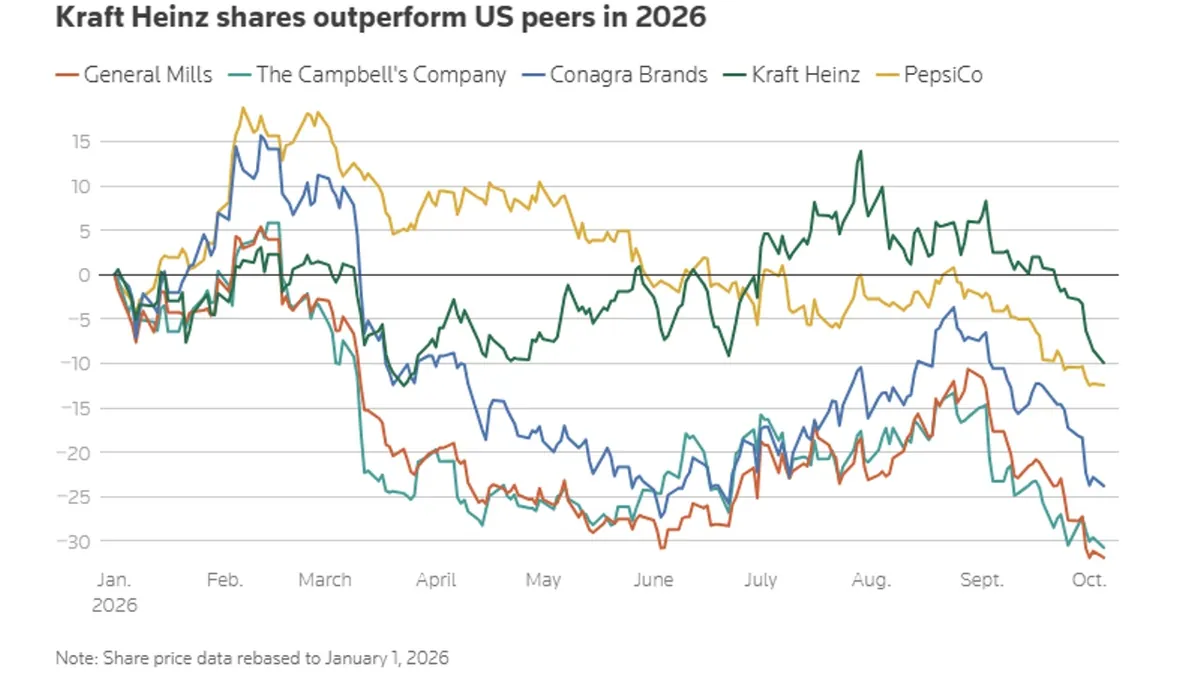
From the perspective of stock prices, the performance of Kraft Heinz is not particularly impressive. As of the latest data, the stock price is $24.6 and the market value is about $29 billion. The company itself admits that its stock price has declined somewhat this year, dropping by about 10%. This is not unexpected in an environment of high inflation and interest rates.
Among American packaged food peers, companies like Nutrilite, General Mills and PepsiCo have not had an easy time this year either. Although Kraft Heinz's stock price has declined, the decline was smaller than that of its peers. During a time when the industry as a whole is under pressure, having a smaller decline is itself a relative advantage.
Market share rebounds.
The current environment is not a good one for consumer stocks. Inflation has forced consumers to seek cheaper alternatives. Private labels have had a huge impact on traditional giants. At the same time, the popularity of weight loss drugs is also changing people's dietary patterns. The external pressure faced by Kraft Heinz is obvious. The market was once concerned about the loss of its market share, which put pressure on the stock price.
The North American regional president stated that products that are more beneficial to health will persist in the long term, and protein will also become a part of everyone's daily diet. The company supports two emerging consumption trends - protein and dietary fiber. The new CEO of the company has promised to further accelerate the pace of innovation in 2027.
The pressure faced by the company.
The most direct pressure that Kraft Heinz is facing is inflation. As prices rise, family budgets become tight, and consumers will turn to cheaper supermarket own-label brands. These brands are taking away the core customer base of companies like Kraft Heinz. At the same time, the growth of the packaged food industry is slow, and all companies are competing for the same group of consumers. It is very difficult for old brands to maintain their market share. For Kraft Heinz to regain consumers, it relies on continuous new products and effective marketing, rather than one-time bestsellers.