Global food prices are approaching a four-year high, with grains and sugar leading the increase
Global food prices have hit a four-year high due to logistics and climate factors. Sugar has reached a 18-month high and wheat has reached a three-year peak.
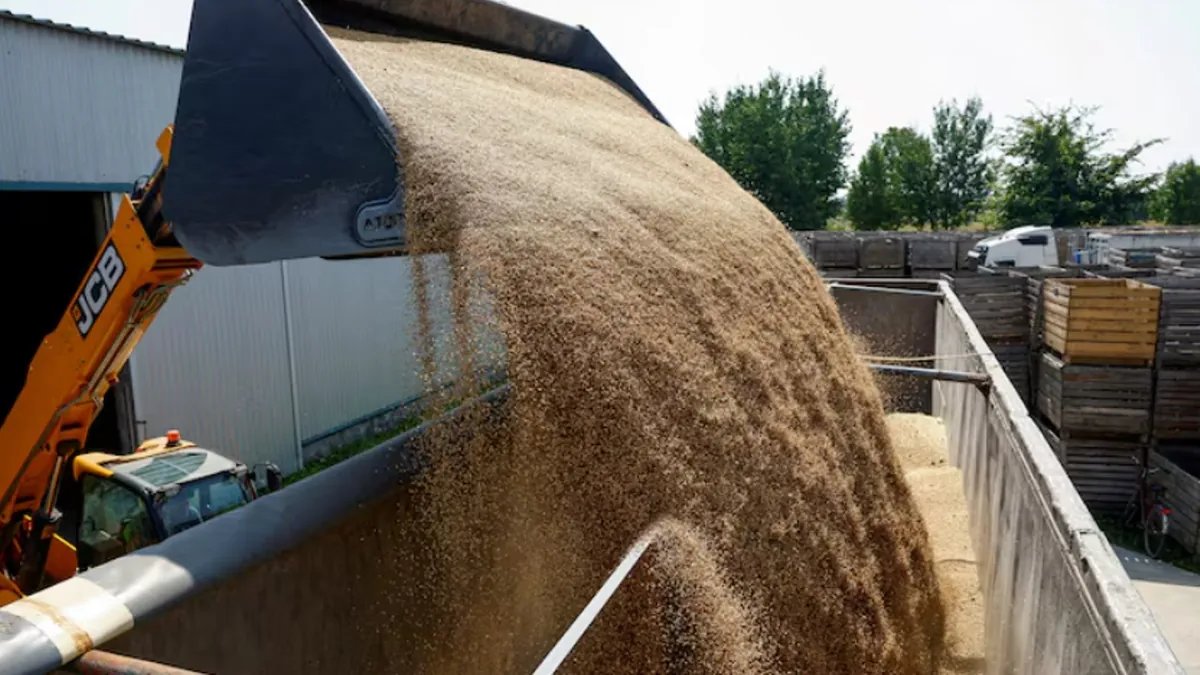
Food prices are nearing a four year high.
The dining tables around the world are getting more expensive. The FAO said on Friday that global food prices rose to their highest level in almost four years in September. Two reasons for this: logistics are disrupted and there are weather concerns. The FAO food price index averaged 136.0 points in September, up from the revised 134.0 points in August, to reach its highest level since November 2022.
Global commodity prices are continuing to rise, and more and more widely. The disruptions in the Strait of Hormuz and the Black Sea, along with climate shocks, are putting pressure on energy, transportation, and major food commodities. If this pressure persists, it will soon be transmitted to consumer food prices, especially in countries that rely on imports.
Wheat: The Black Sea passage is blocked.
At the beginning of last month, the war led to the collapse of grain trade in the Black Sea. The price of wheat futures once soared to its peak in three years. The Black Sea is a crucial global grain storage area. When the passage was blocked, the wheat that could not be transported became a price gap. The grain price index jumped 5.1% that month. It was not just the Black Sea blockade. The poor outlook for corn production in the United States also added to the pressure.
Sugar: The Threat of El Nino.
Sugar prices are also surging. The FAO sugar price index rose by 6.1% in September compared to August, marking the third consecutive month of increase. Concerns over the severe El Nino weather pattern are threatening the supply in major production areas, pushing international sugar prices to a 18-month high. El Nino affects rainfall and temperature, hindering the growth of sugarcane. A reduction in production in major production areas leads to a shortage of global sugar supply.
Corn and vegetable oil are both rising.
Corn is rising. The US corn production has declined, and the supply is expected to decrease. Naturally, the price has gone up. Corn is not only a food staple but also a raw material for feed and energy. When corn rises, the downstream products also follow suit. Vegetable oil is rising slightly more slowly, by 0.9%. The reason behind this is the strong demand for palm oil, along with concerns about the El Nino production risks in Southeast Asia.
Prices were higher in general, except for meat.
Amidst the rising trend, the comprehensive index of meat prices dropped by 1.1% in that month. The main reason was the decline in poultry prices. Poultry meat is cheaper, partly because the demand decreased after the implementation of new import rules in the EU. The fall in meat prices is a relatively good news, but it can not hide the overall upward trend. The overall food price index is approaching a four-year high, and the fall in meat prices is just a small part of it. The prices of raw materials such as grains and oils have risen, and the feed cost will eventually be passed on to meat prices.
Concerns over output and trade.
But the steep price increases have not greatly curtailed the global forecast for total grain production. The FAO left world grain output in 2026 at 29.79 billion tons, little changed from its first estimate and 2.1% less than last year's peak. It has also revised the global grain trade forecast for the 2026/27 fiscal year downward by 0.7%, due to restricted Black Sea shipping, with lower export expectations for wheat and corn.
The futures market pays more attention to actual circulation volume rather than the total production on paper. As long as these grains can not reach the places where they are needed, local market shortages will push up futures prices. Traders are beginning to re-think the stock holdings at a number of delivery warehouses. This has caused prices of near-month contracts to be higher than those of far-month contracts.
The market for future food futures is sure to be turbulent. Weather changes and geopolitical conflicts are the biggest uncertainties. This could trigger new market trends at any time. Any news about drought or floods in major production areas will cause sharp fluctuations in sugar and vegetable oil futures prices. The recovery of logistics channels is also a key factor determining the price trend. If shipping in the Black Sea region remains unable to return to normal, the futures prices of wheat and corn will find it difficult to truly fall.