Constellation Brands' Q2 results exceeded expectations, but its stock was sold off
Constellation Brands' Q2 earnings and sales both exceeded expectations, with the stock price at approximately $129.6. However, the profit margin guidance was lowered, causing the stock price to decline after the market close.
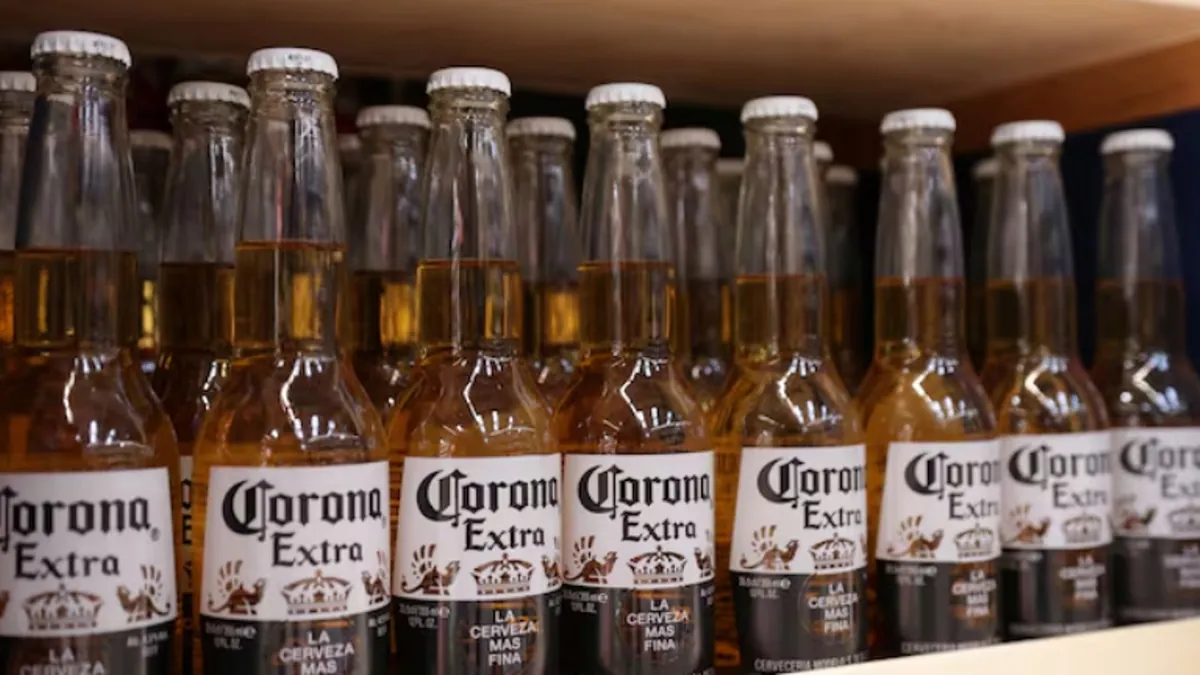
The performance exceeded expectations, and the demand for the beer brand was strong.
Constellation Brands released its second-quarter financial data. For the quarter ending August 31, net sales increased by 6% year-on-year, reaching $2.63 billion. This figure was higher than the $2.54 billion expected by analysts. The performance on the profit side was also excellent, with adjusted earnings per share reaching $3.74, higher than the market's widely expected $3.56. The core beer brands Modelo Especial and Victoria were selling well, and the net sales of the beer business increased by 5%.
This year, the FIFA World Cup and the NBA Finals were held one after another, which greatly stimulated the fans' enthusiasm for watching the games. As a standard consumer product for sports events, consumers increased the frequency of purchasing related products when watching the games. This short-term demand explosion effectively offset the negative impact of overall weak consumption. The company seized this marketing opportunity keenly. However, the market reaction was contrary. The stock price dropped by 4.5% after the market close. The good performance failed to translate into a good stock price.
The wine and spirits segment performed exceptionally well, entering the ready-to-drink beverage market.
Apart from the stable growth of the beer business, the wine and spirits business achieved a 17% net sales growth in the current quarter. This growth rate was much higher than the 5% increase in the beer business. Luxury spirits and premium wines continued to be in high demand. The mix of high-margin products improved, helping to improve the overall profit structure. The beer business was steady and the spirits business was strong. The product mix of Constellation Brands was relatively balanced. This was particularly rare in a year when peers were generally struggling.
To seek new growth points, the company announced an important acquisition plan. It will acquire the ready-to-drink beverage company SpikedAde. This is a ready-to-drink beverage company based on vodka. Constellation Brands will pay at least $75 million, and in the next five years, it can increase up to $278 million based on the performance of the brand. The ready-to-drink beverage market has shown strong growth momentum in recent years. Young consumers are increasingly preferring portable and rich-tasting alcoholic beverages. By introducing mature brands, the company can quickly fill the gaps in the product matrix.
The company expects higher sales, but it will make less profit on each sale.
Constellation Brands updated its sales outlook for the near future. Sales were expected to fall 1%, said the company. Now it believes sales will go up by 1%. This is good news for its sales performance. But there is a flip side. The company stopped giving its profit target for the fiscal year ending 2028 in April this year. The reason it made this choice was that its business environment was too volatile and unpredictable. It revised its outlook for annual operating profit margins down to 31%-32% from the initial 32%-33%.
A lower profit margin means that costs are rising or investments are increasing. Even if sales exceed expectations, what the market cares about more is whether the profit can be maintained. This is the direct reason for the decline in the stock price after the earnings report. The management's cautious outlook on the industry's prospects has made investors worried that the company's good performance cannot be sustained.
During the extended trading period after the earnings report, the company's stock price dropped, showing the disappointment of investors over the lower profit margin and the withdrawal of the long-term guidance. Although the short-term performance exceeded expectations, the market pays more attention to the long-term profits. From an annual perspective, the company's stock price dropped by 16%. This trend was weaker than the performance of the broader market.
Consumption is experiencing both decline and upgrade, and industry competition is intensifying.
The quarterly report of Constellation Brands can be summarized as follows: mixed feelings. The positive aspect is that both sales and profits exceeded expectations. Both the beer and wine divisions performed well, and there was also a strategic acquisition in the pipeline. The negative aspect is that the profit margin is declining, and the longer-term performance guidance has been withdrawn.
From the stock price perspective, now it is at $129.6 with a market value of about $22 billion and a price-earning ratio of about 11 times. But at the bottom of the cheap valuation is the market's wariness of the alcohol industry's overall prospects. The current alcohol beverage market has complicated consumption characteristics. Budgetary constraints have forced some consumers to switch to cheaper private-label products. But high-end and health-conscious products are still popular. Constellation Brands is caught in the crossfire of this consumption divide.