The double pressure from energy and the real estate market has pushed up inflation in Australia to 4.6%
In August, Australia's CPI rose by 4% year-on-year, and the central bank raised interest rates to 4.6%. Rising energy costs have driven up inflation, while the real estate market has cooled down. The employment data in October has dampened expectations for an interest rate hike in November.
Inflation has risen again.
Data shows that in August, the CPI in Australia rose by 4.0% year-on-year, higher than 3.5% in July. On a monthly basis, it rose by 0.4%, lower than the market's previous expectation of 0.5%. Fuel prices were the main driver. In the same month, the price of automotive fuel rose by 14.8% month-on-month, affected by both the increase in international oil prices and the withdrawal of the federal government's fuel consumption tax reduction. Electricity prices rose by 13.2% year-on-year, and the prices of new residential properties rose by 5.4% year-on-year.
The trimmed mean inflation rate, after excluding the highly volatile items, remained at 3.6% for the third consecutive month. This level is still above the central bank's target range of 2% to 3%. Among the 11 price groups monitored by the Australian Bureau of Statistics, 7 had year-on-year increases of 3% or more. The inflationary pressure is not concentrated in a single sector but is widespread.
Interest rate rises to 15-year high.
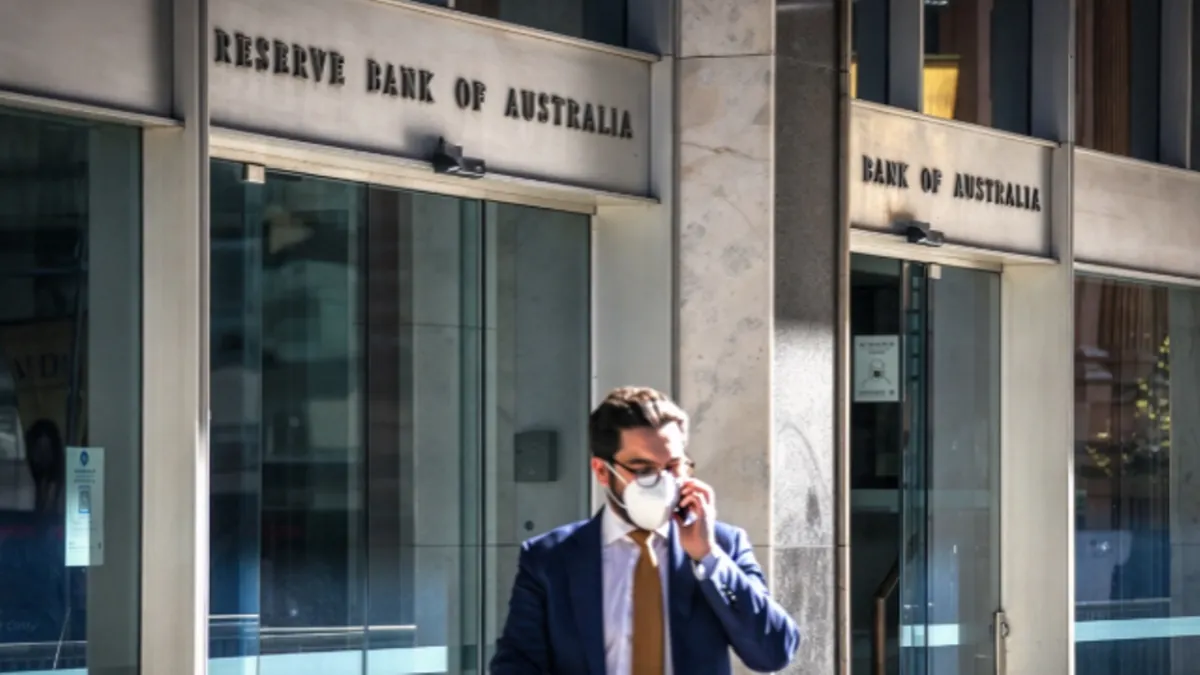
The Reserve Bank of Australia raised the cash rate by 25 basis points to 4.6% one day before the data was released, reaching the highest level since the end of 2011. This was the fourth interest rate hike this year, with a cumulative increase of one percentage point. If the upward risk of inflation continues to emerge, further interest rate hikes cannot be ruled out. The conflict in the Middle East has pushed up global energy prices, and investment in AI is also increasing domestic demand pressure.
After the data was released, the Australian dollar fell slightly against the US dollar, and the yield on three-year government bonds declined. The expectation for an interest rate hike in November in the interest rate swap market dropped from 35% to about 20%. Economists at Citigroup believe that the market underestimates the risk of further interest rate hikes and the implied probability should be close to 50%. However, some analyses point out that core inflation rose by only 0.2% on a month-on-month basis, lower than expected, and the tightening cycle may be approaching its end.
Energy shock, property market cooling.
Australia relies almost entirely on imported crude oil, with most of it coming from the Middle East. After the conflict in the Middle East, global oil prices were under pressure, pushing up Australia's import energy costs. The increase in fuel prices not only affects transportation expenses but also transmits through transportation costs to the prices of food and daily necessities. This makes it difficult for the central bank to regard the energy shock as purely a temporary factor.
High interest rates are having an impact on the real estate market. Cotality data shows that in September, national house prices fell by 1.1% month-on-month, marking the sixth consecutive decline. House prices in Sydney have dropped by nearly 9% from their peak in February, and those in Melbourne have fallen by more than 7%. Over the past three months, the number of house sales has decreased by approximately 19% year-on-year, and buyers have shown a strong tendency to wait and see.
The rise in interest rates has increased the repayment burden of floating-rate mortgages. Many banks have followed the central bank in raising mortgage interest rates. HSBC predicts that if interest rates rise again, house prices may fall by 13% from their peak. The weakening of the real estate market will have a wide-ranging impact on the economy.
The job market has taken a turn.
The employment data released in mid-October for September showed that the number of employed people in Australia unexpectedly decreased by 39,000, while the unemployment rate remained at 4.7%. This was the largest monthly decline since February 2025. This data significantly reduced the possibility of an interest rate hike in November. Currently, the market expects the probability of maintaining the interest rate unchanged in November to be close to 90%. The assistant governor of the Reserve Bank of Australia, Kent, also acknowledged that the cooling of the labor market has been faster than expected.
The Reserve Bank of Australia is facing a difficult balancing act. Inflation is still above the target, but the job market has begun to weaken. Continuing to raise interest rates may further suppress consumption and the property market, increasing the risk of an economic recession. Halting the interest rate hike may cause inflation expectations to rise again. The monetary policy meeting on November 2nd and 3rd will be a key juncture.