The parent company of Snapdeal - AceVector, saw its shares decline on the first day of its listing in India
AceVector shares dropped 19% on debut on the India stock market. Its valuation has come under pressure from weak profits and only modest subscriber growth.
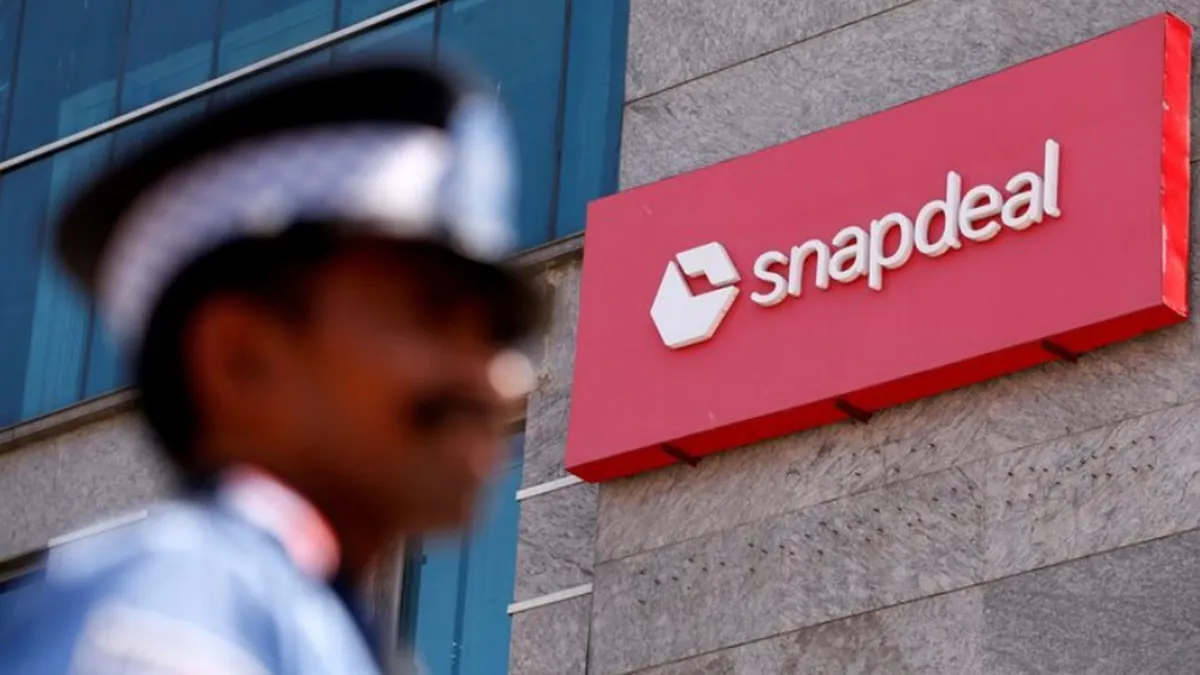
The market voted with its feet.
AceVector made its debut on India's National Stock Exchange on October 5, but its stock got off to a poor start. The IPO set an issue price at 32 rupees for each share. Right when trading began, the opening price slipped straight down to 28.32 rupees, marking a drop of more than 11 percent. The share kept losing value through the rest of the trading session, and it finally closed at 25.81 rupees. By market close, the company's total market value had fallen to 141.9 billion rupees.
Signs of this weak performance could already be seen from how investors responded during the IPO subscription phase. The final over‑subscription multiple only reached 4.93 times. To put this number into context, statistics show that 66% of Indian IPOs in the first half of the year drew over‑subscription of more than 10 times. Compared with that market standard, investor interest in AceVector was noticeably low.
This outcome reflects a clear shift in market mindset. Investors are no longer rushing blindly into e‑commerce‑related stocks. In previous years, huge amounts of capital poured into the e‑commerce industry, and many loss‑making companies could win high valuations easily. Now the market has turned more sensible. Big institutional funds refuse to pay steep price premiums for businesses that still fail to turn consistent profits. Ordinary retail investors also show little enthusiasm for joining new IPO investments. The weak demand seen in the primary IPO market has carried over into secondary market trading, which directly caused AceVector's sharp price drop on its very first trading day.
The logic of company valuation is under fire.
AceVector is the parent company of Indian e-commerce platform Snapdeal and also owns Unicommerce and Stellaro Brands. In the fiscal year 2026, the company suffered a loss of 607.8 million rupees, with revenue of only 5.1 billion rupees. The loss accounted for a very high proportion of the revenue. The institutional report clearly pointed out that AceVector lacks profitability appeal. This money-losing model has frightened investors.
This IPO is not just about raising funds. There are both 2.87 billion rupees of new shares issued and a plan for the maximum reduction of 41.56 million shares by the existing shareholders. The list of those selling shares includes Starfish, the controlling shareholder of SoftBank and Nexus Venture Partners. For early-stage investment institutions, listing is an exit channel. SoftBank made a heavy investment in Indian e-commerce back then and now is cashing in part of its returns through this IPO. However, the listing resulted in a break-even, indicating that the existing shareholders are selling at a discount.
For the crowded e-commerce industry, profitability has become the core indicator.
The Indian e-commerce market has many players like Nykaa, Meesho, all fighting for a piece of the pie. The industry's getting less rewarding. The traffic peak has led to soaring acquisition costs and price wars are common. AceVector is between the big players and the small players. It lacks the massive traffic of the giants and has little profit. Its situation is not easy. It needs to invest huge marketing expenses to survive. This competitive environment has compressed the company's profits. The uncertainty of future performance has increased.
The investment logic of the Indian stock market is changing. The model of obtaining high premiums by relying on high revenue growth has gradually become ineffective. The lack of profitability has greatly reduced the attractiveness of AceVector's stocks. The increase in trading volume is accompanied by a decline in prices. This is an indication that the investors are panic selling its stocks. Investor sentiment is at a historic low.
The Indian new stock market had a high liquidity premium earlier. Investors chased returns blindly. This unreasoned prosperity is being rectified. The regulators have tightened up their guidance on IPO pricing. AceVector's underperformance is a sign that the market is getting back to sanity. Funds are starting to rethink the fit between risk and return. Enterprises lacking core competitiveness will be marginalized by the market. Funds will concentrate on top quality targets.